
Dog Harnesses
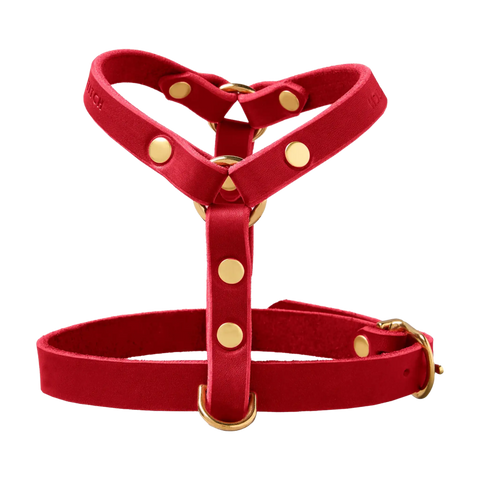
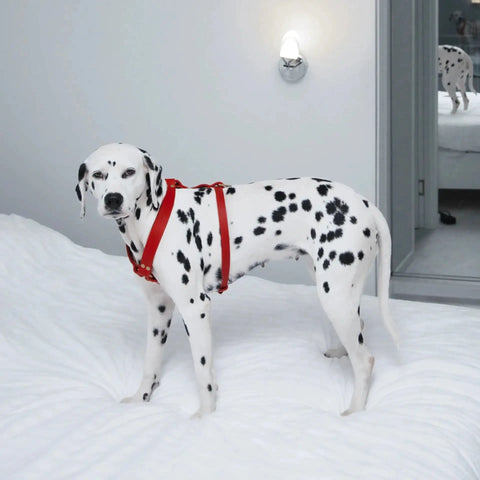
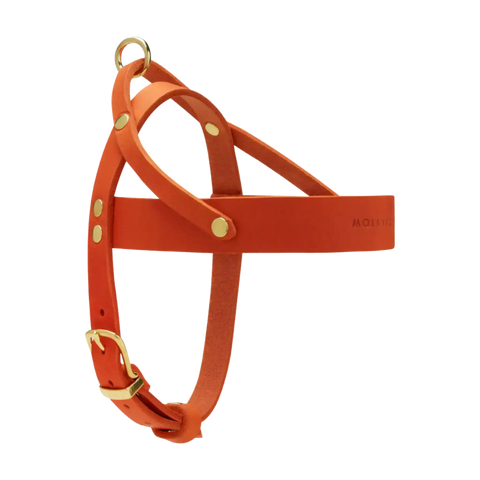
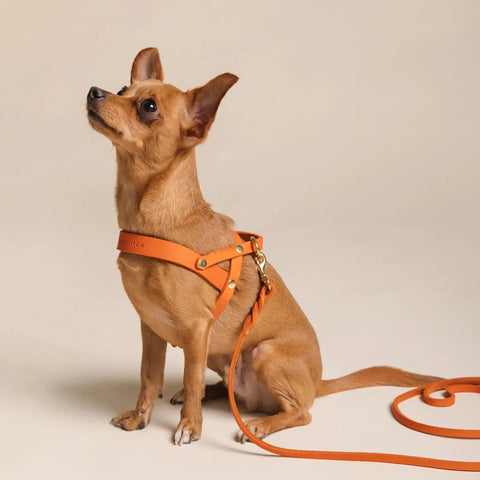
Harnesses for dogs are intended for all owners who want to guide their dog safely, comfortably and gently on the walk. A harness distributes the pulling forces across the chest and back area and relieves the sensitive neck. This collection is suitable for dogs of every size and is particularly recommended for dogs that pull on the lead, for small breeds with a sensitive windpipe, for puppies in training and for dogs with neck or back problems.
What is a harness good for? Unlike a collar, with a harness the load does not act on the neck but is distributed over a larger area of the body. That protects the cervical vertebrae and the windpipe and is an advantage particularly with pulling or spirited dogs. A well-fitting harness also offers more control and safety, because the dog can wriggle out of it less easily than out of a collar. For many dogs, wearing a harness is more pleasant because it does not restrict their movement.
What exactly are owners looking for? The right fit is decisive. A harness must neither cut in nor sit too loosely. It should be adjusted so that around two fingers fit between the strap and the body. It is also important that the straps do not chafe in the armpits and do not restrict the movement of the front legs. Owners look for adjustable elements that allow the harness to be individually adapted, as well as pleasant padding at the contact points.
Among the materials, the selection ranges from robust webbing through soft, padded fabric to high-quality leather. Leather harnesses, such as those made by specialised manufactories, adapt to the body over time and offer a pleasant wearing feel. Important details are sturdy fastenings of metal or strong plastic, well-stitched rings for the lead and reflective elements for better visibility in the dark.
What should you consider before buying? Measure your dog carefully, above all the chest circumference behind the front legs and the neck circumference. Compare these measurements with the size chart, because with a harness the fit is decisive. Consider which type of harness suits your dog. A Norwegian harness is easy to put on and sits at the chest area, a Y-harness allows particularly free movement. For dogs in training or with a special need for security, a model with an additional handle can be useful.
Also consider the intended use. For the daily city walk a light, comfortable harness is suitable, while for hikes or active dogs a particularly robust model is recommended. With leather products, pay attention to care, because leather should occasionally be greased and protected from permanent moisture so that it stays supple.
A well-fitting, high-quality harness is a purchase from which you and your dog benefit daily. It makes the walk safer and more pleasant and protects your dog's health. Take your time over the right choice of size and the correct adjustment, because only a harness that fits properly really serves its purpose. It will then accompany you reliably over many walks.
Give your dog time to get used to the new harness. Let them sniff the harness first, put it on gently and reward calm behaviour. Your dog will then get used to it step by step and accept it as a pleasant part of the walk. After putting it on, check the fit by testing whether two fingers still fit between the strap and the body. A well-fitting harness does not press and does not restrict movement.