
Mobility for Dogs
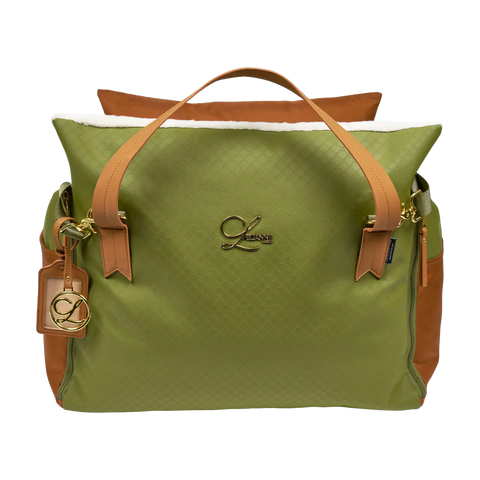
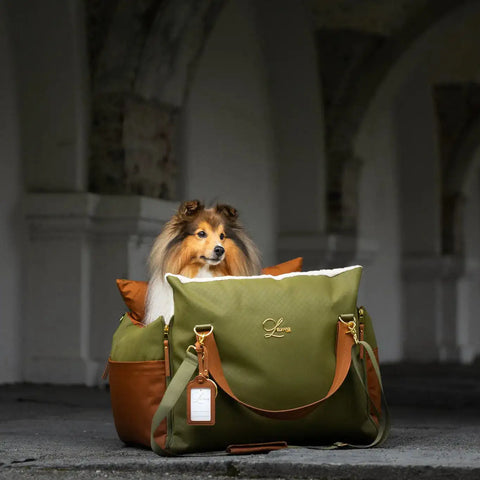
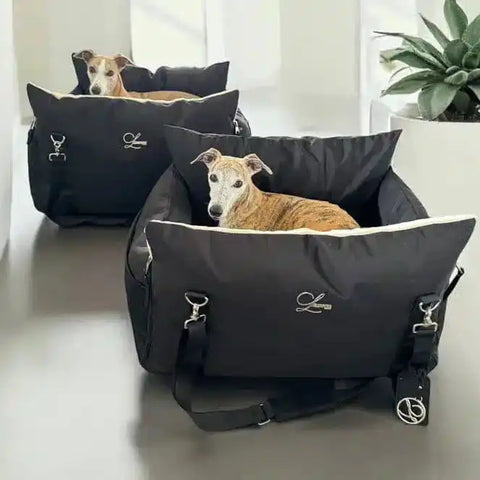
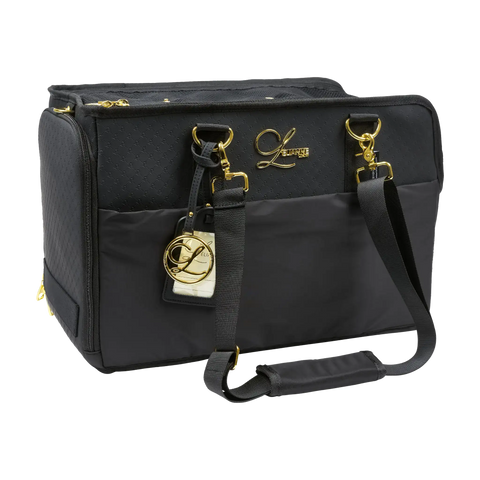
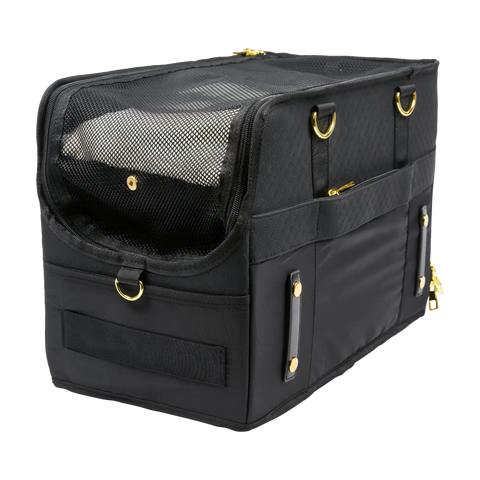
Mobility for dogs covers all aids that make it easier for your dog to overcome differences in height and to move around in everyday life. This collection is aimed at owners of dogs that can no longer jump easily or should not do so, such as older dogs, animals with joint problems, small breeds with short legs as well as dogs after operations or with back problems. Such aids are also sensible for puppies whose joints should still be protected.
What are mobility accessories good for? They enable your dog to get safely into the car, onto the sofa or into bed without having to jump. Jumping from a height puts considerable strain on joints, spine and intervertebral discs, especially in older or already affected dogs. With a ramp or steps, the movement is distributed over several gentle steps, which reduces the strain considerably. In this way your dog stays mobile and can continue to take part in your life without overexerting himself.
What do owners look for specifically? It is important that the aid suits the height and the size of the dog. A ramp should have the right length and incline, steps the right rise. Owners also look for stability and load capacity, because the aid must carry the weight of the dog safely. A non-slip surface that gives the dog grip is also important, as is a stable construction that does not wobble or tip.
Among the materials you will find robust constructions in wood, sturdy plastic or combined materials, often with a padded or non-slip tread. Foldable or collapsible models can be stored to save space and are well suited for travel. High-quality aids combine a load-bearing structure with a safe, grippy surface. Look for clean workmanship and a load capacity that matches your dog's weight.
What should you look for when buying? Measure the height your dog needs to overcome, for instance the entry height of your car or the height of your sofa. Choose a ramp or steps whose length and incline suit this, because a ramp that is too steep will be used reluctantly. Take your dog's weight and size into account for load capacity and width. A non-slip surface is decisive so that the dog gains confidence and accepts the aid.
Consider whether you prefer a ramp or steps. A ramp allows an even, gentle ascent and is well suited to dogs with joint problems. Steps often need less space and fit well by a sofa or bed. For travel, foldable models are practical. Give your dog time to get to know the new aid and introduce him to it gently and with rewards.
Mobility accessories are valuable support that preserves your dog's independence and participation and protects his joints. For older dogs in particular, a ramp or steps can noticeably ease everyday life and help prevent pain. If you pay attention to the right height, a safe construction and a non-slip surface, you will find an aid in this collection that keeps your dog mobile and agile for a long time.
Introduce mobility aids gently and connect them with positive experiences. Reward your dog when he uses a ramp or steps, and do not apply pressure. Older dogs in particular sometimes need a little time to accept new aids. With patience and positive reinforcement your dog will get used to it and benefit lastingly from the relief for his joints and from regained independence in everyday life.